This account expresses observations and viewpoints of the author who welcomes discussion, opinions, criticism of a constructive nature.
Say it isn’t so, Joe! Not just another Corvette Club, mind you but a club for the first 69,015 Corvettes made from 1953 through 1962.

One look pretty much tells all.
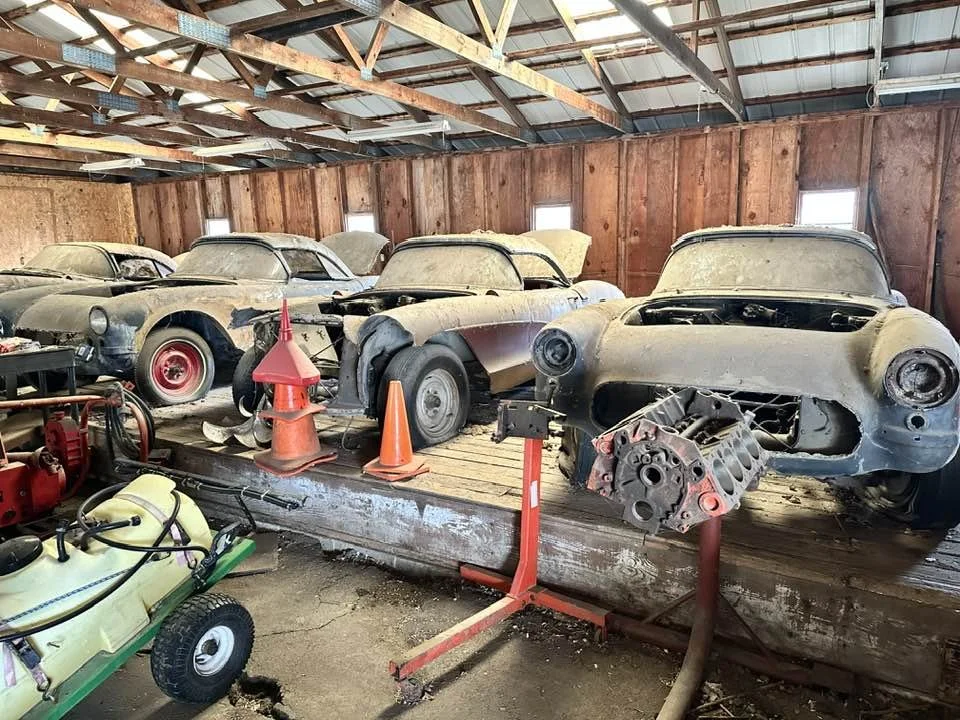
The purpose of the Solid Axle Corvette Club, (founded in 1993 by the late Noland Adams), is to help folks keep them running and to enjoy them. Now, the “Know How” and friendships struck among its aging members is at risk, slipping away and ultimately lost, the proverbial “needle in the haystack” so to speak.
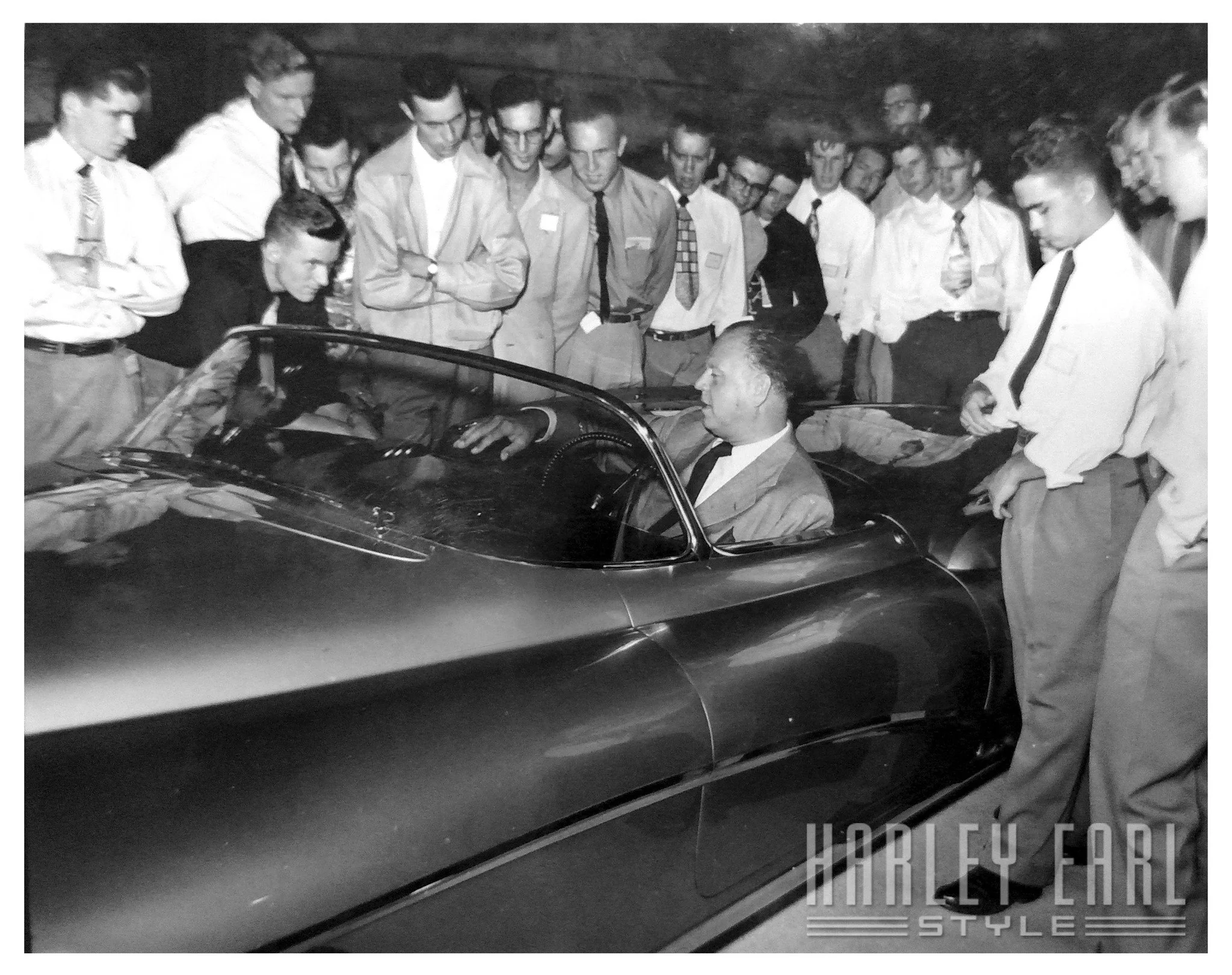
Harley Earl, GM Vice President of Design, dreamed up a 2-seat Sports Car to take on foreign counterparts that impressed him while serving as Grand Marshal at Watkins Glen in October 1951. It did not matter so much that racers lives were at stake, going all-out on the harrowing 6.6-mile circuit over public roads that were closed off, starting and finishing downtown on Franklin Street in the picturesque village.
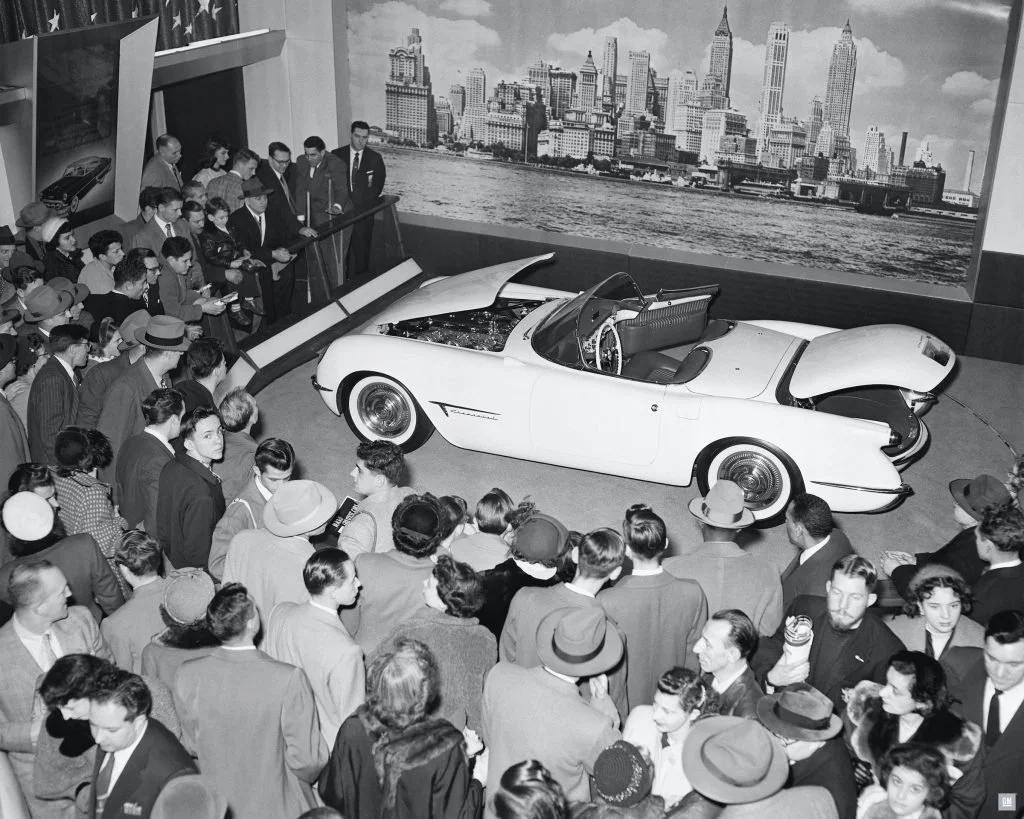
An experimental version, known as EX 122 drew raves at the GM Motorama show in January 1953 at the luxurious Waldorf Astoria hotel on Park Avenue in NYC.
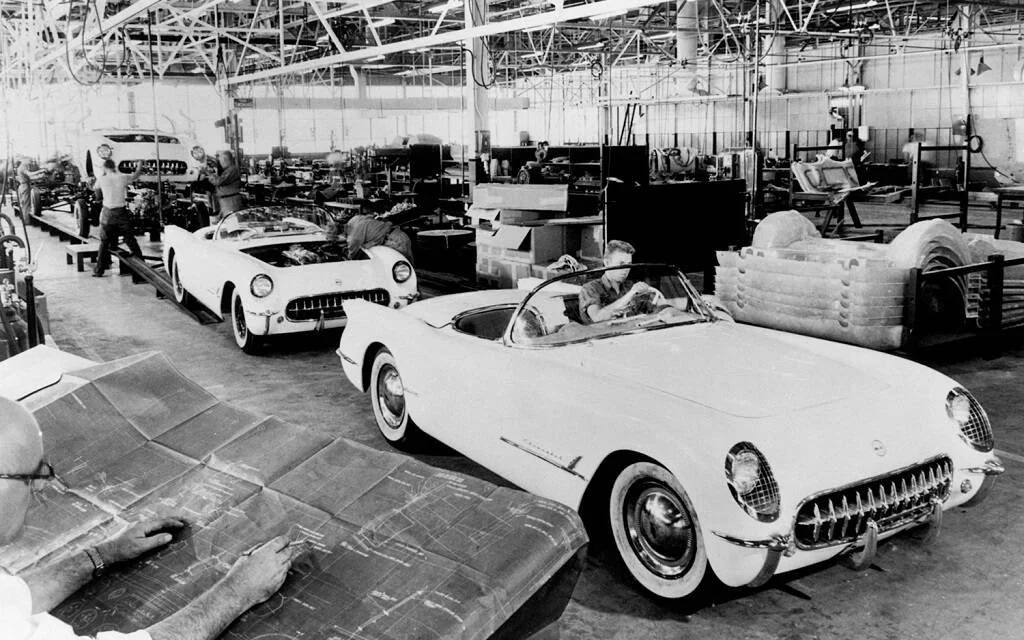
The first 300 Corvettes were produced at a former truck plant on VanSlyke Avenue in Flint Michigan just 5 months later, starting on June 30, 1953, a calendar date that some of us still celebrate as National Corvette Day.
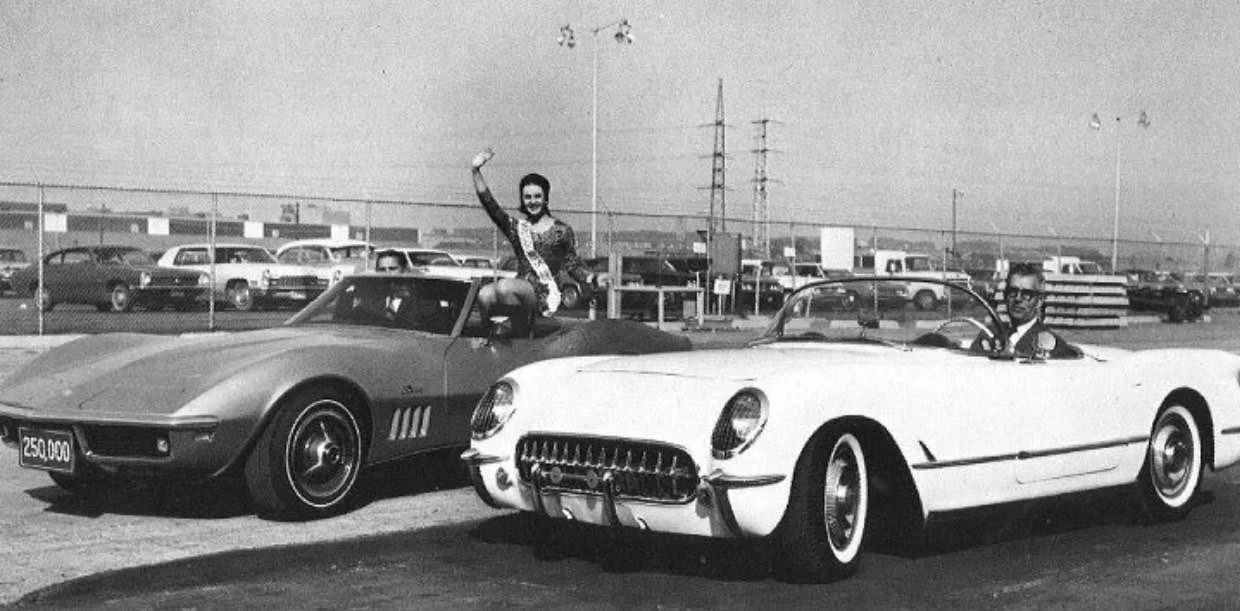
1954 and later model Corvettes were assembled in St. Louis, a city located on Route 66, the “mother road” that runs 2,448 miles from Navy Pier in Chicago to Santa Monica Pier in LA.
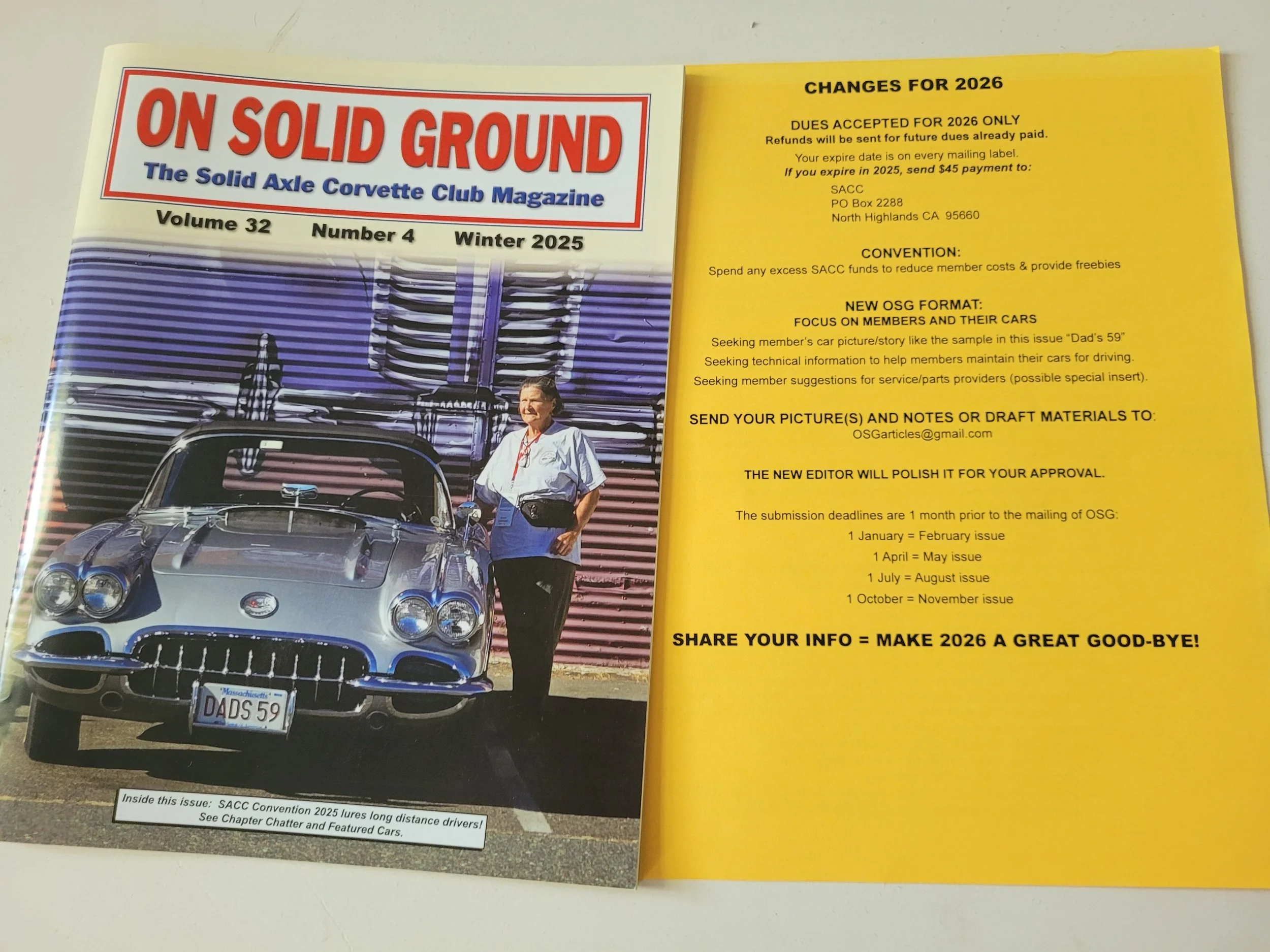
Officers of the SACC chose The Holiday Inn SW Rt 66 in St. Louis for a farewell convention on June 4-8, 2026 to call it quits after 33 years.
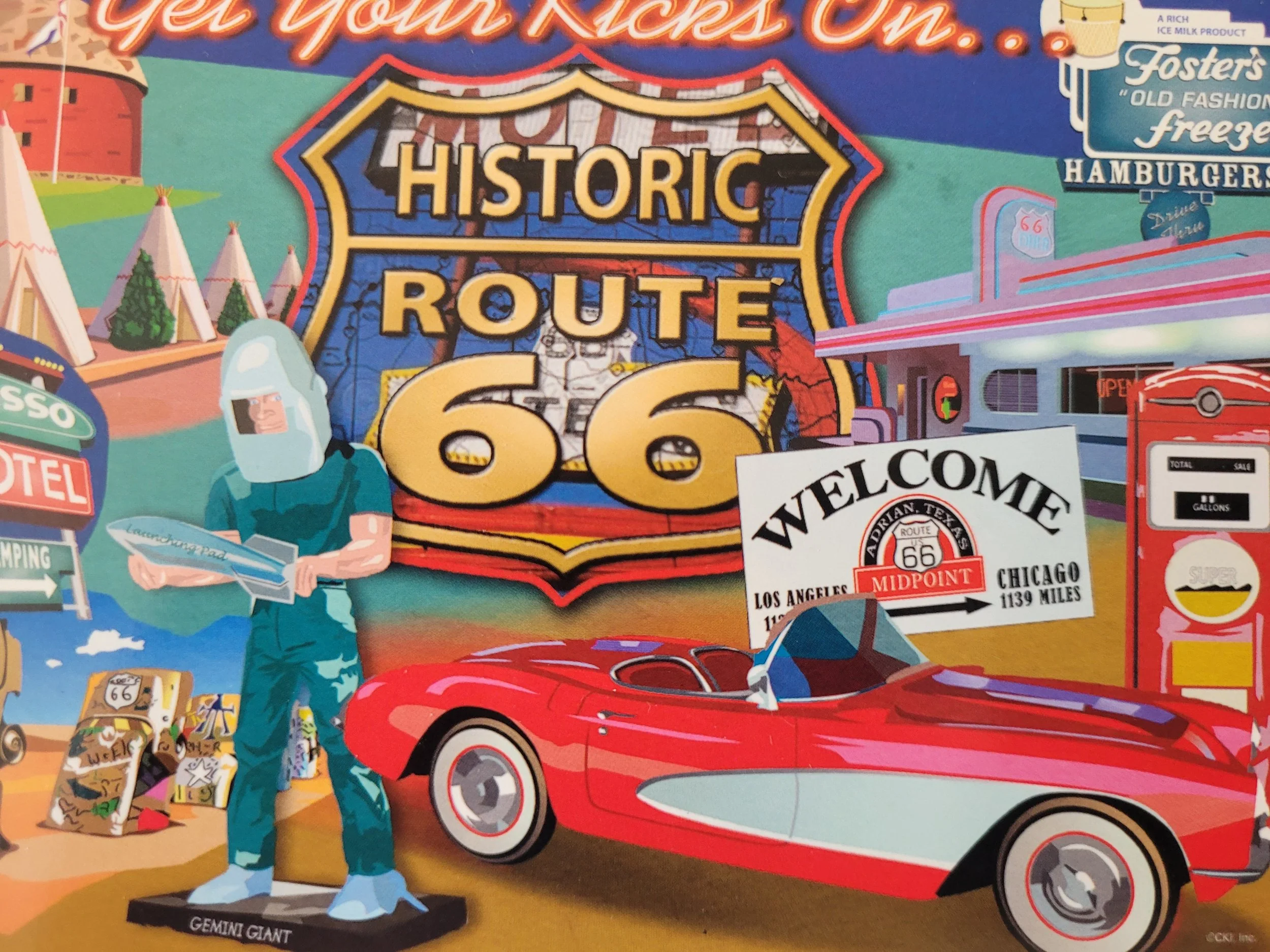
On a brighter note, the 100th anniversary of Route 66 is celebrated with The Great Race, a tour that starts the following week.
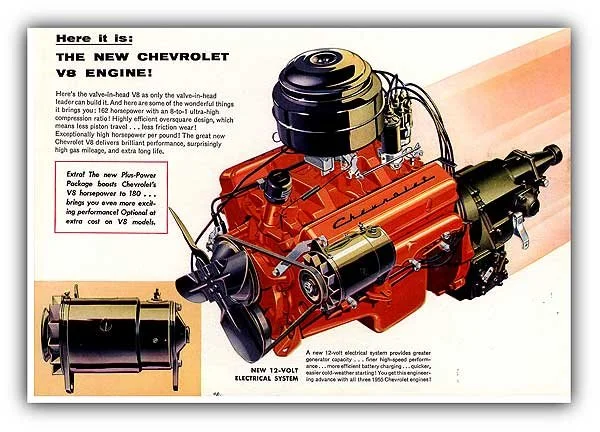
The earliest Corvettes were equipped with a hopped-up engine called the Blue Flame 6 that was mated to a sluggish 2-speed automatic transmission. Soon after came a V-8 engine that was designed by Chevrolet Chief Engineer Ed Cole. It packed a whole lot more punch, weighed less and was more compact. This remarkable engine not only saved the Corvette but variants are still being developed and sold today.
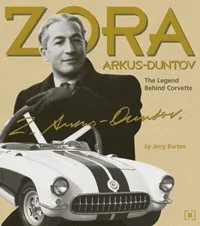
The Corvette grew into an honest to gosh high-performance sports car under the tutelage of Russian-born engineer Zora Arkus Duntov. To his credit, “All Corvettes are high-performance cars, the difference is in degrees.” Did he say “the grease”? You gotta love it. Click to listen.
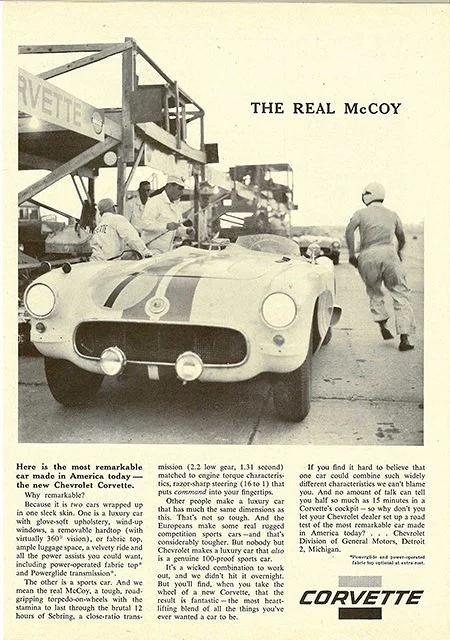
The solid axle Corvette came out a winner in the 12-hour race at Sebring in March 1956, piloted by Walt Hansgen and John Fitch, considered to be America’s top driver at the time.
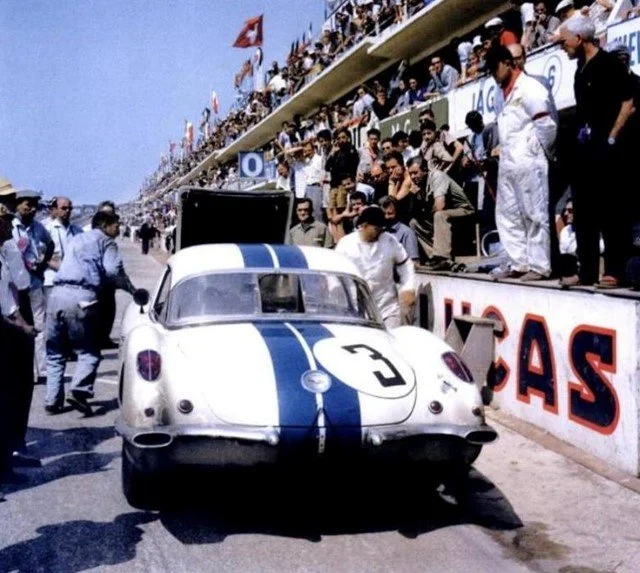
Fitch and Bob Grossman went on to win at Le Mans in June 1960.
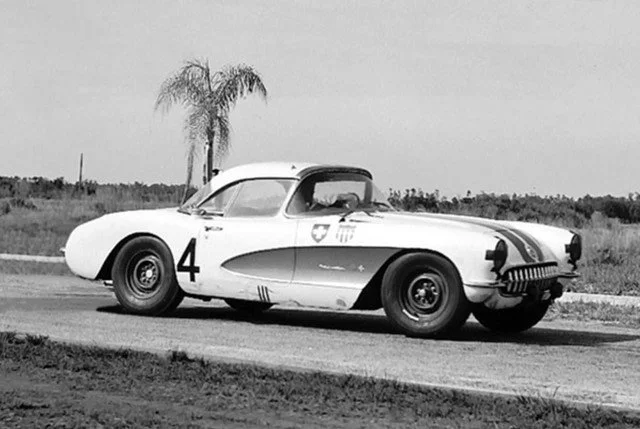
The Corvette won FIA international endurance races at Sebring and Daytona in 1957 thru 1962.
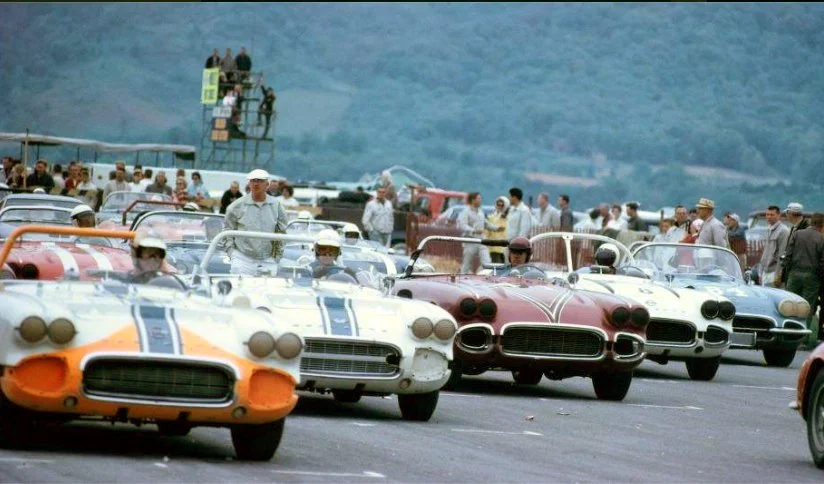
The Corvette was the “choice of champions”, chosen by drivers who won SCCA races at the national level from 1956 through 1964.
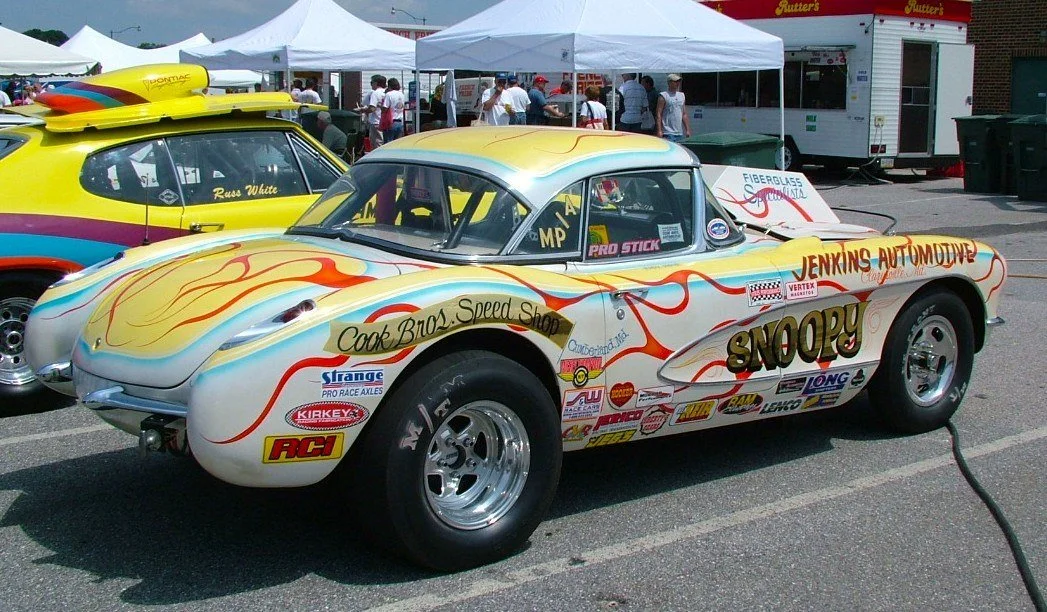
Straight axle Corvettes were no slouch on the drag strip either.
Call us the energizer bunny or what you will. We are charged up to keep the Solid Axle Corvette alive, literally and in spirit. Please join us and contribute here: https://www.registryofcorvetteracecars.com/membership
Photos courtesy of Richard Earl, GM press.